
Introduction
I first heard about ChatGPT from a contributor on a well-known American TV station — and that’s when I realised it was more than a passing trend. Before that, I assumed it was just another flashy tech buzzword — something meant for coders or young people fluent in digital slang.
Someone even joked that ChatGPT was just a room full of brilliant people in New Delhi, manually answering questions through a chatbot. They doubted its so-called “large language model” and believed it was all a fluke.
At the time, I couldn’t see how a tool like that could fit into my world. I was still struggling to understand how to animate text in PowerPoint or use Excel’s formulas — and here was this new thing called “AI.”
But curiosity has a way of nudging you forward. What if this tool could help me learn faster, ask questions without fear, and make my late start in tech feel a little less overwhelming?
First Impressions
When I opened ChatGPT for the first time, I was surprised by how simple it looked. No fancy ribbons like in Microsoft Excel, no stylish home tabs like PowerPoint — just a blinking cursor waiting for me to speak. I still remember my question:
“How do I train as a Microsoft Administrator?”

A random thought, that I found out later, unconsciously captured the direction I would be heading. To my surprise, it answered — clearly, calmly, and without a hint of jargon or judgment. It felt… human. I kept going, asking even more questions. And with each response, my hesitation gave way to confidence.
What struck me was this: I didn’t have to sound like a tech expert. I could type in half-formed thoughts, and ChatGPT would still give me something useful. It became my quiet assistant — always patient, never tired.
Has Chatbots not been around for sometime now?
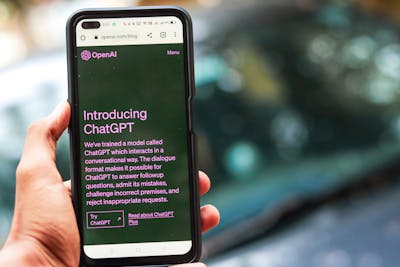
“Chatbots have been around for a while. Remember the little assistant on Luafthanzer’s website that helped with booking issues? Or Apple’s Siri, always ready to answer your questions?
But in 2018, something game-changing happened. A California-based tech company, OpenAI, introduced ChatGPT—a chatbot trained on a massive Large Language Model (LLM). Unlike older chatbots, it could rival human-like intelligence.Back then, I had no idea this even existed. But as I started my tech journey, I discovered how ChatGPT evolved—from just text to generating images, graphics, and more. Now, competitors like DeepSeek, Google Gemini, and others are reshaping the AI landscape even further
What I Can Do with It Now
- Ask it to explain terms like “API”(Application Programming Interface) or “cloud storage” in plain English
- Draft rough versions of blog posts
- Get unstuck when I need content ideas
- Ask for step-by-step guidance on basic tools like Google Docs
- Even get advice on design choices — like fonts to use on ObisDeck
- Recently, it helped me successfully request a refund on a misleading purchase — step by step!
Tips for Beginners Like Me
- You don’t need to be a “prompt engineer.” Just start typing.
- Be clear and simple. For example:
“How do I create a folder in Google Drive?”
is better than
“Google Drive tips.” - Ask everyday questions like:
- “What image sizes work best for Facebook, Instagram, and LinkedIn?”
- “How do I get started in Canva?”
- “My internet is connected but not browsing — what should I check?”
- If the answer feels too complex, just ask:
“Can you explain that in simpler terms?”
How I Plan to Use It
ChatGPT has become part of my daily routine. I use it to:
- Draft outlines for future blog posts
- Generate image prompts for Canva and Midjourney
- Clarify concepts before teaching them to others
- Schedule or brainstorm blog content
- Stay motivated in this lifelong learning journey
Closing Thoughts
Learning ChatGPT didn’t require programming skills — just curiosity and a willingness to try. It’s helped me feel less alone in this digital world, and more capable, one question at a time.
If you’re new to AI tools or even just tech-curious, try asking ChatGPT that question you’ve always been afraid to ask out loud.
You might be surprised how helpful it is.
Have you tried ChatGPT yet? What was your first question?
What Tech tool have you tried?, Please, share your experience with us today in the comment section below. We would like to learn from you too.



 Obi'sDeck